Chrome, Neon, and Reels: Why Game Designers Can't Stop Raiding the 1950s
Close your eyes and picture the American dream, 1959 edition. A chrome-laden diner off Route 66. A neon sign buzzing pink against the desert dusk. A finned Cadillac idling at the curb while a jukebox hums inside. Now open a modern online slot or casual game, and there's a decent chance you'll find that exact scene staring back at you.
Retro Americana isn't just a design trend in the gaming world — it's practically a permanent resident. And honestly, once you understand why, it's hard to blame designers for going back to the well again and again.
The Neon Sign Never Really Went Dark
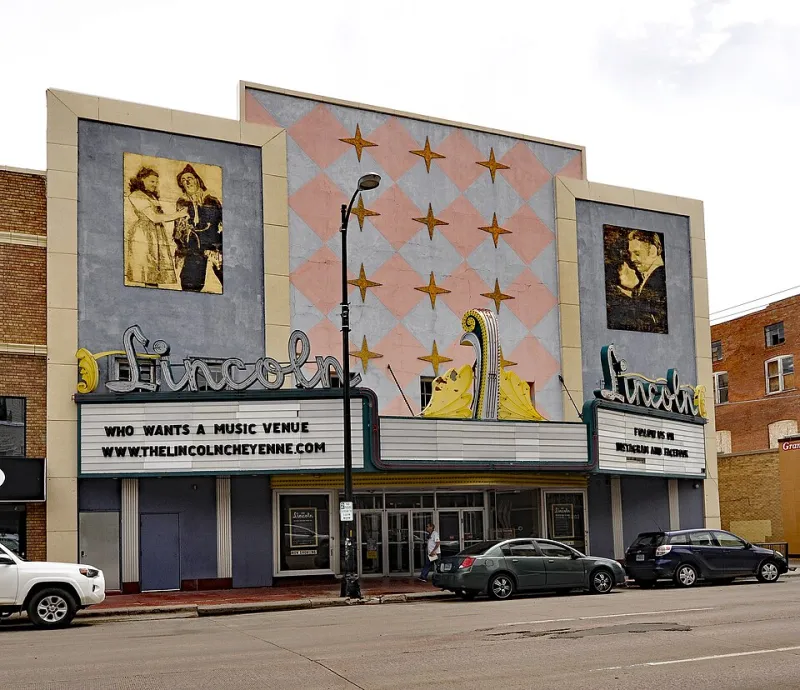
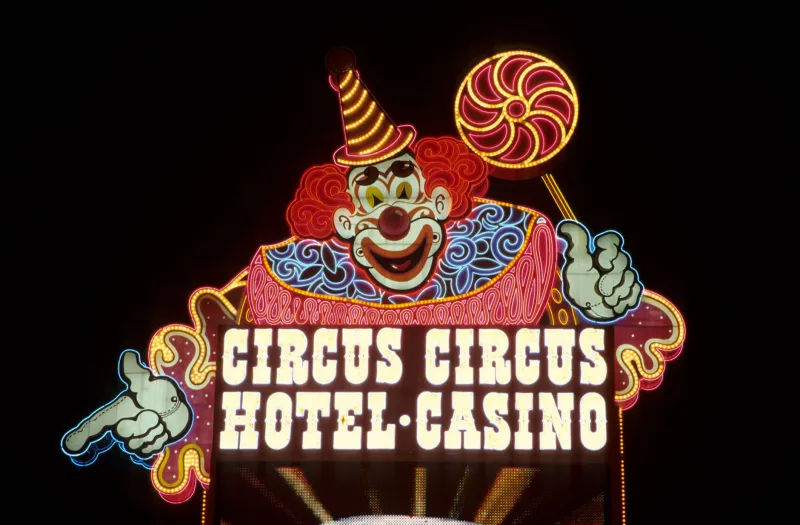
There's a reason the phrase "vintage Vegas" does so much heavy lifting in game design. The mid-century Strip — all neon glamour, showgirl marquees, and atomic-age optimism — represents gambling at its most romantic. No apps, no algorithms, just lights, luck, and a little bit of showbiz.
When a game leans into that aesthetic, it's borrowing decades of built-in atmosphere. A designer doesn't have to explain what a spinning martini glass or a flashing "JACKPOT" marquee means. American players already know. It's visual shorthand, and it's incredibly efficient.
It also explains why the palette is so consistent: hot pink, teal, chrome, and that particular warm amber glow of neon tubes. Those colors photograph beautifully on a screen and trigger an instant sense of place. It's mood lighting, pixelated.
Diners, Drive-Ins, and the Comfort Factor
But the retro pull goes deeper than Vegas. Think about how many games use diner booths, milkshakes, jukeboxes, and '50s convertibles as set dressing. There's a psychological reason for it.
Mid-century Americana occupies a weird sweet spot in the national memory. Even players who never lived through it feel like they know it — through movies, grandparents' stories, and a thousand postcards. It reads as simpler, and simpler feels safe. For a gaming session that's supposed to be pure entertainment, that comfort matters.
There's also the fun of the details. Cherry-red stools. Checkered floors. A rockabilly soundtrack with twangy guitar. These touches give designers a rich toy box to play with, and they give players little moments of recognition — the gaming equivalent of spotting a classic car at a red light and grinning.
Why It Works for Every Generation
Here's the interesting part: retro themes don't just appeal to players who remember the era. They work across age groups for different reasons.
- Older players get genuine nostalgia — a callback to road trips, diner dates, and early Vegas vacations.
- Younger players get what you might call borrowed nostalgia. They grew up on movies, shows, and video games that romanticized the '50s and '60s, so the aesthetic feels cool rather than dated.
- Everyone in between gets the sheer visual pleasure of it. Neon and chrome just look good on a screen.
That's a rare trick. Most themes have a demographic ceiling. Retro Americana somehow doesn't.
The Themes That Hit Hardest
If you've spent any time browsing game lobbies, you've probably noticed the retro classics that keep resurfacing:
- Classic Vegas — Showgirls, dice, marquees, and neon. The granddaddy of them all, and still the most reliable crowd-pleaser.
- Diner culture — Burgers, shakes, and jukebox symbols. Pure comfort food, literally.
- Muscle cars and Route 66 — Open-road freedom with a chrome finish. Nothing says Americana like a '67 Mustang on the reels.
- Atomic age and space race — Rockets, ray guns, and googie architecture. The retro-futurism angle has had a real second life lately.
- Rockabilly and Elvis energy — Slicked hair, blue suede, and a soundtrack that does half the work.
Each of these comes with its own mood, but they share a common thread: optimism. Mid-century design was built on the belief that the future was going to be great, and that optimism translates into a genuinely fun play experience.
More Than a Passing Trend
Some design trends burn hot and vanish — remember when every game looked like it was set in a neon cyberpunk alley? Retro Americana is different. It's cycled through gaming for decades without ever leaving, because it isn't really a trend. It's a style rooted in a specific cultural moment that America keeps revisiting.
There's also a practical side. The bold shapes and high-contrast colors of mid-century design were made for signage — for grabbing attention from across a room. That translates perfectly to small screens and crowded game lobbies, where a game has about two seconds to catch your eye. A neon marquee does that job beautifully.
Finding Your Retro Session
If the vintage bug bites, lean into it. Queue up a doo-wop playlist, fix yourself a root beer float, and settle in with something that trades sleek minimalism for chrome and neon glow. Half the fun of themed gaming is matching your surroundings to the mood — and few moods are easier to set than a mid-century diner at midnight.
The '50s and '60s may be long gone, but on the reels, the neon never stops buzzing. And honestly? We wouldn't have it any other way.