Bingo Halls, Boardwalks, and Broken Down Carousels: Chasing the Games That Time Left Behind
There's a version of American gaming history that lives in textbooks, and then there's the version you can actually drive to.
Out past the big-city casinos and the glossy resort strips, small-town America keeps a quieter archive — abandoned carnival lots, converted bingo halls, boardwalk arcades where the skee-ball lanes still lean a half-inch to the left. These places didn't just entertain a few generations of locals. They quietly shaped the design DNA of nearly every game you'll find on your screen tonight.
So we grabbed a road map, a camera, and a healthy tolerance for roadside attractions, and went looking. Here's what we found — and how each stop can inspire your next themed gaming night at home.
The Bingo Hall That Refuses to Retire
Drive through just about any Midwestern town with a population under 5,000, and you'll spot it: a cinderblock community hall with a hand-painted sign announcing bingo nights every Wednesday and Saturday.
Bingo halls are the unsung workhorses of American gaming. Long before anyone tapped a screen to spin reels, whole towns gathered around paper cards and plastic daubers, chasing that five-in-a-row thrill. The pacing lessons here are real — bingo is a masterclass in slow-burn anticipation, the kind of rhythm modern game designers still borrow when they want a bonus round to feel earned.
Take it home: A bingo-inspired gaming night is easy. Slow the pace way down, make it social, and let the anticipation do the heavy lifting. Sometimes the fun isn't the win — it's the wait.
The Dime Museum's Last Laugh
In the late 1800s, dime museums dotted Main Streets from Ohio to Maine. For a nickel or a dime, you'd get freak shows, mechanical wonders, and — crucially — games of chance and skill crammed between the exhibits.
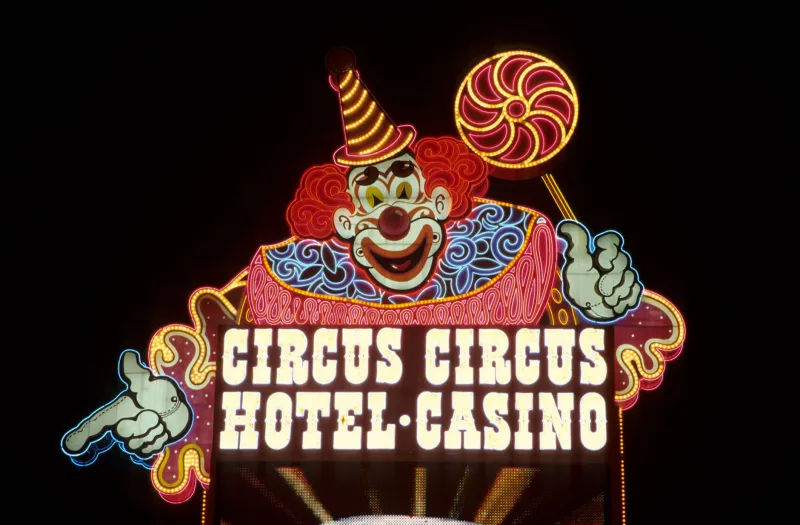
These places were basically the first pay-to-play entertainment arcades, and their fingerprints are all over modern game design. The carnival barker's pitch? That's your game intro screen. The rigged-looking strength tester? Early RNG theater. The whole aesthetic of neon lights promising big things for small money started right here.
A few surviving museums and penny arcade collections still operate as seasonal attractions, particularly in New England and along the old vaudeville routes. If you find one, go. It's like walking into a game designer's mood board from 1895.
Take it home: Lean into the vintage vibe for an evening. Dim the lights, cue up some scratchy ragtime, and pick games with that old-timey carnival aesthetic. It changes the whole mood of a session.
Boardwalk Arcades: Salt Air and Sticky Carpets
From Coney Island to the Wildwoods of New Jersey to the piers of Santa Monica, the American boardwalk arcade is its own institution — part gaming hall, part time machine.
What makes boardwalk arcades special isn't the prizes (though the giant stuffed animals have their own gravitational pull). It's the energy. Everything is loud, fast, and slightly chaotic, designed to grab the attention of someone walking by with a funnel cake in hand. Sound familiar? That's exactly the design brief behind most modern online slots: instant appeal, zero learning curve, sensory overload in the best way.
Take it home: Channel boardwalk energy with a fast, loud, high-tempo gaming session. Quick spins, upbeat playlists, snacks that require napkins. Save the contemplative stuff for another night.
The Carousel Graveyard
Here's the melancholy stop on the tour: decommissioned carousels. Across the country, retired amusement park rides sit in storage barns and small-town lots, their painted horses waiting on a restoration that may never come.
There's something worth noticing in that image, though. Carousels were among the first mechanical games of pure experience — no prize, no score, just the joy of the ride itself, wrapped in gorgeous hand-painted art. They're a reminder that game design was about craft and atmosphere long before it was about jackpots.
Take it home: This one's simple. Once in a while, pick a game just because it's beautiful. Not the best odds, not the biggest bonus — just the one with art that makes you stop scrolling.
Why the Road Trip Matters
You could file all of this under "quirky Americana" and leave it there. But there's a bigger point: the games we play online didn't appear out of thin air. They're the latest chapter in a story written in bingo halls, boardwalks, and dime museums — places where regular people went to spend a little money and win back a little excitement.
The next time a themed game loads on your screen, take a second to look at the details. That boardwalk backdrop, that carnival barker voice, that bingo-ball bonus round? Somebody, somewhere, built the original — and it's probably still standing in a town you could drive to on a Saturday.
That's the beauty of it. Every spin really does start a new adventure. Some of them just start with a road trip first.